
Why Does Your Fountain Keep Losing Water? Uncovering The Causes
A fountain should feel effortless. Water moves, sound fills the space, and the feature quietly does its job in the background. When the water level drops day after day, that calm experience disappears, and questions surface fast. Owners top off basins more frequently, maintenance teams search for leaks, and designers wonder whether something was overlooked. The question almost always comes next: why does my fountain keep losing water?
At Roman Fountains, we have spent more than six decades designing and manufacturing architectural fountains across a wide range of climates and environments. Most fountains lose water for several reasons that work together, not because of a single apparent failure.
Why Does My Fountain Keep Losing Water?
Water loss shows up differently depending on location, scale, and design intent. A fountain in a shaded courtyard behaves very differently from one in a windy plaza or a sun-exposed park. Understanding the most common contributors helps separate normal behavior from real problems that need attention.
Evaporation Adds Up Faster Than Expected
Evaporation remains the most common source of water loss, especially in outdoor fountains with active spray patterns. Moving water exposes more surface area to air and heat, which accelerates evaporation throughout the day. Warm temperatures, low humidity, and direct sun exposure further exacerbate this.
In commercial fountain systems, evaporation is not a flaw but a predictable condition. Basin depth, surface area, and flow velocity all influence the amount of water that leaves the system naturally. When evaporation is not accounted for during design, owners often feel like water is disappearing without explanation.
Splash, Overspray, and Wind Drift
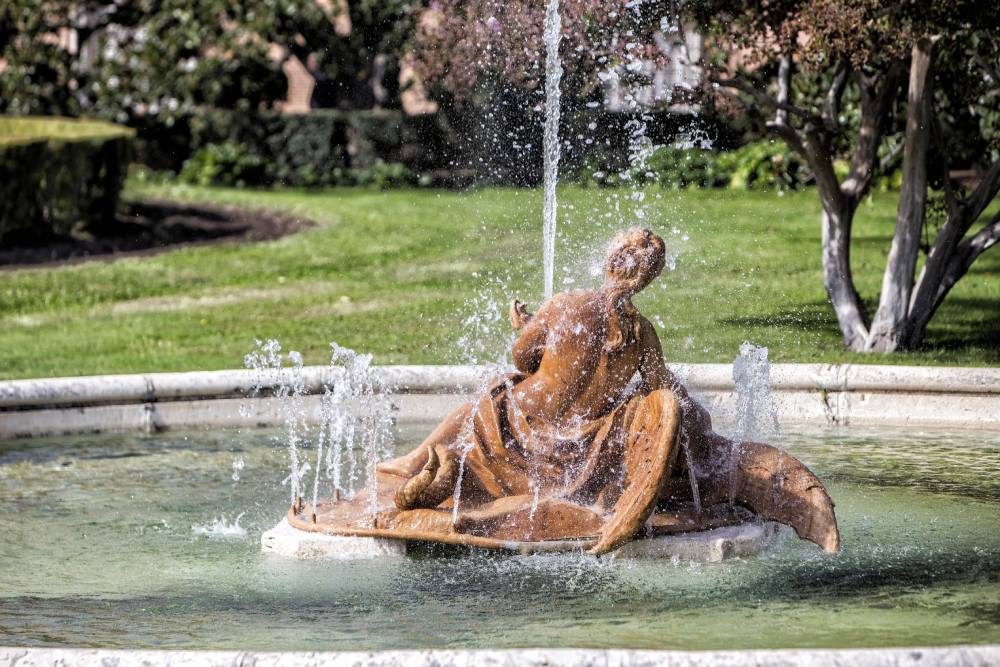
Fountains rely on motion to create visual interest, but water that travels beyond the basin never returns. High jet arcs, aggressive nozzle patterns, and elevated flow rates increase splash and overspray. Wind amplifies the issue by carrying water away before it can fall back into the catch area.
Small adjustments often make a meaningful difference. Reducing flow rates slightly, refining nozzle selection, or redirecting spray angles can lower water loss while preserving the intended look. In exposed sites, design decisions that account for wind conditions tend to outperform systems designed for calmer settings.
Hidden Leaks and Structural Wear
When water loss feels steady and unrelated to weather, leaks move higher on the list of suspects. Cracks in basins, failed sealants around penetrations, or aging joints can slowly and consistently release water. Freeze-thaw cycles, settlement, and long-term material fatigue often contribute to these failures.
These issues rarely announce themselves clearly. Water may seep underground or into surrounding soils, making visual detection difficult. Regular inspections and early repairs limit long-term damage and help preserve structural integrity.
Plumbing and Mechanical Issues Below the Surface
Pumps, pipes, and fittings work quietly until something changes. Loose connections, worn gaskets, or partially clogged lines can redirect water out of the intended circulation path. Mechanical vaults without proper access or drainage also delay detection.
Routine system checks matter, but so does thoughtful system layout. Accessible components and clear documentation allow maintenance teams to respond quickly before water loss becomes a recurring problem.
Water Quality and Algae Interference
Water quality affects more than appearance. Algal growth and debris accumulation restrict flow and alter spray patterns, often leading to uneven distribution and increased splash-out. Clogged strainers force pumps to work harder, pushing water in unintended directions.
Consistent filtration and treatment support both aesthetics and system performance. Clean water flows as designed, which reduces water loss tied to inefficiency rather than consumption.
Plants, Wildlife, and Human Interaction
Fountains often share space with landscaping, wildlife, and the public. Overhanging plants absorb spray and introduce organic debris into basins. Birds and animals treat fountains as water sources, while people interact with them in ways designers cannot always control.
Site coordination plays a key role here. Proper clearances, plant selection, and protective detailing reduce the amount of water leaving the system through everyday interaction.
Design Choices That Shape Long-Term Performance
Fountain design sets the tone for how forgiving a system will be over time. Low basin edges, shallow catch areas, and decorative elements placed too close to active spray zones raise the risk of water loss. Architectural integration requires precision, especially when fountains sit flush with surrounding hardscape.
Many of the long-lasting installations featured in our project portfolio highlight a balance between visual impact and operational practicality. When design and engineering align early, fountains perform closer to expectations throughout their lifespan.
Keeping Water Where It Belongs
Water loss will never drop to zero, but it should remain predictable and manageable. Evaporation, splash, and minor interaction losses are inherent, while leaks, mechanical failures, and poor water quality require prompt attention. Understanding the difference saves time, resources, and frustration.
Roman Fountains designs and manufactures custom water features with real-world conditions in mind. Our experience across climates, project types, and decades informs how we help clients reduce unnecessary water loss while protecting design intent.
If water levels continue to drop and answers remain elusive, our team is ready to help evaluate what is happening and why. Contact us to connect with specialists who understand how fountains behave beyond the drawings.