
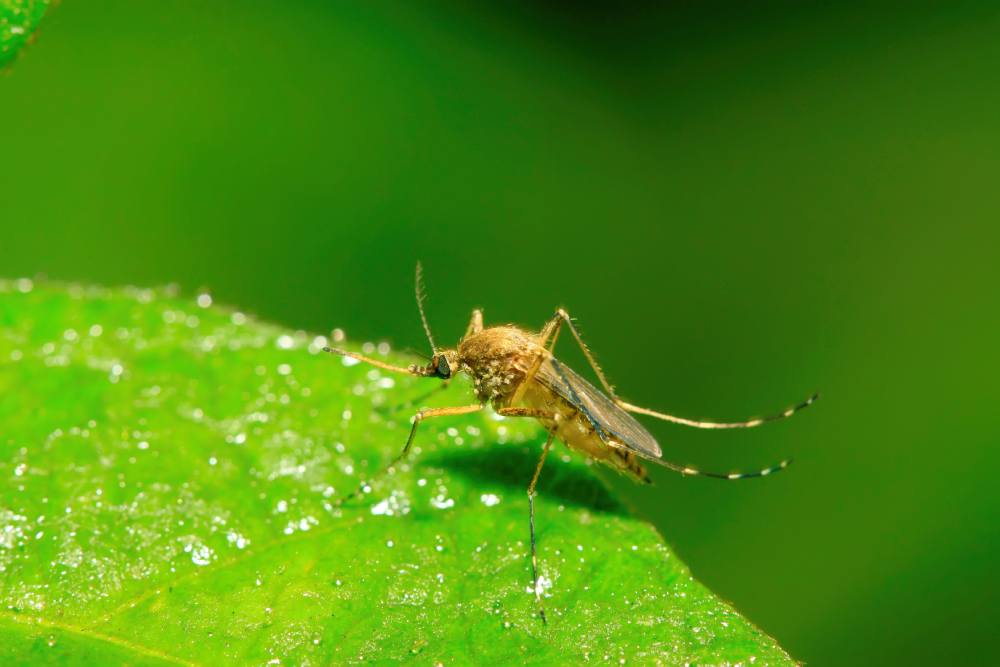
Do Water Fountains Attract Mosquitoes?
Do water fountains attract mosquitoes? It’s one of those questions that tends to surface the moment someone considers adding moving water to an outdoor space. The idea of insects gathering around a peaceful fountain can overshadow the sound of flowing water and the visual appeal that made the feature attractive in the first place. The concern is valid, especially in warm climates where mosquitoes are already persistent.
Mosquitoes do not gravitate toward fountains simply because water exists. They respond to particular conditions, and understanding those conditions changes the entire conversation.
Do Water Fountains Attract Mosquitoes or Just Still Water?
Mosquitoes depend on stagnant water to reproduce. Shallow areas with little movement give larvae the calm surface they need to breathe and mature. Fountains designed with active circulation interrupt that process from the beginning.
Moving water disrupts surface tension and limits oxygen access at the waterline. Even subtle motion makes it difficult for larvae to survive. Jets, sprays, spillways, and cascades all contribute to surface activity that mosquitoes avoid.
Water that sits idle creates the real problem. Common sources include birdbaths, unused planters, clogged drains, and decorative bowls without circulation. Active fountains operate in a completely different category.
Why Water Movement Changes Everything
Flow remains the most reliable deterrent against mosquitoes. When water stays in constant motion, it interferes with every stage of the mosquito life cycle. Larvae depend on still water and easy access to the surface for air, and they struggle to survive without those conditions. Pumps and jets break that stability, removing both the calm surface and the oxygen access the larvae need.
Water movement also improves overall conditions by reducing temperature stratification and limiting algae growth. Those improvements matter because organic buildup becomes a food source for larvae. When debris stays suspended, and filtration stays active, the environment becomes far less inviting.
Even modest circulation creates meaningful impact. A gentle spillway or bubbling jet alters surface behavior enough to make a difference while also enhancing sound and visual interest.
Fountain Design Decisions That Matter
Thoughtful design goes beyond appearance. Basin depth, wall geometry, and hydraulic layout all influence how water behaves over time.
Deeper basins with vertical sides discourage breeding more effectively than shallow, open forms. Internal circulation helps prevent dead zones where debris might settle. Access points for cleaning make maintenance easier and more consistent.
Materials also influence performance. Non-porous finishes reduce areas where organic matter can collect. Over time, this limits algae growth and reduces the need for intervention. When design and engineering work together, fountains maintain better water quality with less effort.
Debris and Organic Matter Explained
Mosquito larvae feed on organic debris such as leaves, pollen, algae, and dirt. Outdoor fountains naturally collect material from nearby landscaping, especially during seasonal changes.
Routine removal interrupts the mosquito life cycle before it gains momentum. Surface skimming, cleaning strainers, and checking intakes help maintain circulation patterns that discourage pests.
Landscaping choices play a role as well. Overhanging trees and dense plantings increase debris load. Strategic trimming reduces buildup and helps fountains perform as intended.
Maintenance Without Overcomplication
Maintenance does not need to feel overwhelming. Mosquitoes develop quickly, often within a week, which makes consistent attention far more effective than aggressive treatments applied occasionally.
Helpful habits include:
- Inspecting water surfaces for debris or film
- Removing leaves and organic material promptly
- Checking that jets and pumps operate as intended
- Monitoring water levels to support circulation
These actions protect equipment while also maintaining water quality. Well-maintained fountains rarely experience mosquito issues tied to the feature itself.
When Extra Support Makes Sense
Specific environments benefit from additional measures. Warm climates, shaded locations, and heavy vegetation can increase mosquito pressure. Supplemental controls are most effective when paired with circulation rather than used alone.
Biological treatments such as Bti mosquito dunks target larvae without affecting people, pets, or most aquatic life. Fish also play a role in some larger basins, where species like koi or goldfish naturally consume larvae.
Other options require caution. Oils interfere with surface breathing but may affect aesthetics. Chlorine can reduce algae but may impact components if used excessively. Treatments should always match the fountain’s construction and purpose.
How Surrounding Conditions Influence Mosquito Activity
Mosquito activity around a fountain often has less to do with the water feature itself and more to do with what surrounds it. Outdoor environments function as ecosystems, and mosquitoes take advantage of overlooked details nearby long before they target an active fountain.
Standing water sources within a short radius become the real breeding grounds. Items like clogged gutters, irrigation valve boxes, unused containers, low spots in lawns, and plant saucers hold shallow water that stays warm and undisturbed. These areas allow mosquitoes to reproduce quickly and then disperse, creating the impression that the fountain caused the issue.
Understanding these surrounding factors allows property owners to address mosquito concerns holistically. When the broader environment supports good drainage, airflow, and visibility, fountains remain what they were meant to be: visual and sensory focal points rather than insect magnets.
Choosing the Right Fountain From the Beginning
Selecting a fountain with built-in movement reduces long-term maintenance concerns. Decorative features without circulation demand more attention and monitoring.
Professionally engineered systems integrate pumps, returns, and filtration to keep water active. These systems operate predictably across seasons and adapt more effectively to environmental changes.
Exploring professionally designed water features shows how intentional movement supports both appearance and performance. Active fountains remain enjoyable because they avoid the conditions mosquitoes need.
Lessons From Real-World Installations
Experience across varied climates reinforces the same conclusion. Active fountains outperform unmanaged water features over time. Public plazas, municipal spaces, and commercial developments rely on circulation to maintain water quality and visitor comfort.
Looking through our projects highlights how different designs respond to unique site challenges. Interactive splash pads, civic monuments, and contemporary basins all apply movement differently while achieving the same goal. Mosquito complaints typically stem from nearby standing water rather than the fountain itself. Addressing the full site often resolves concerns quickly.
A Practical Perspective Moving Forward
Fountains do not attract mosquitoes by default. Stagnation invites them, not motion. When water moves, circulates, and receives consistent care, fountains remain inviting features rather than sources of frustration.
At Roman Fountains, we design and manufacture systems with this reality in mind. Our approach combines aesthetics with engineering to keep water active and predictable across environments. That balance protects long-term performance while allowing people to enjoy the calming presence of moving water.
If you’re planning a fountain or looking to improve an existing one, we’re happy to help you explore solutions for your space and goals. Contact us to discuss your project and discover how thoughtful design keeps water features enjoyable year-round.